Blog

Return of ‘Blue Murder’ evokes my dad’s book on police corruption.

I’m currently immersed in the history of Sydney in the late seventies as I work on my current novel The Impeccables, which touches on police corruption. What a treat, then, to get a second chance to see the 1995 ABC production Blue Murder last week (SBS OnDemand). Set in the 1970s and 1980s, the two-part mini-series follows the grisly careers of criminal Neddy Smith and corrupt cop Roger Rogerson, and the swag of gangsters who ran Sydney’s underworld. It’s totally gripping TV, delivered with a grittiness that we rarely see in the high-gloss era of Netflix.

Watching Blue Murder triggered a confluence of memories. My late father, detective-turned-barrister Donald Campbell, had a lifelong aversion to police corruption, dating back to his days as a young constable in London when stealing lead from roofs was in fashion. He was (like me) addicted to writing, and authored a three-part book on police corruption in the UK, New York, and New South Wales. The book Police Corruption, now out of print, was published by Barry Rose Law Publishers in 2002 about a year after his death, with the final editing tasks being shared by some of his sons.

I recall him writing to me in around 1998 to obtain a copy of the Wood Royal Commission report, which provided much of the background on the NSW section. I bought the CD of the report in a government office in George Street, and mailed it him in London. On a visit to my old family home not long after, I was woken by the fax machine in the early hours of the morning; it was from a very senior source in Sydney answering some point of detail.

I dipped into Police Corruption after watching Blue Murder to fill in the background to the mini-series, much of which I had forgotten. I hadn’t looked at my dad’s book for a few years, but the writing was as crisp and readable as I remembered it. In fact, I’m keen to make the book available to the public again, and I have the outline of a plan in mind.

So, back to The Impeccables, with a much sharper feel for my setting and a reminder of how rotten the state of NSW was in those days.

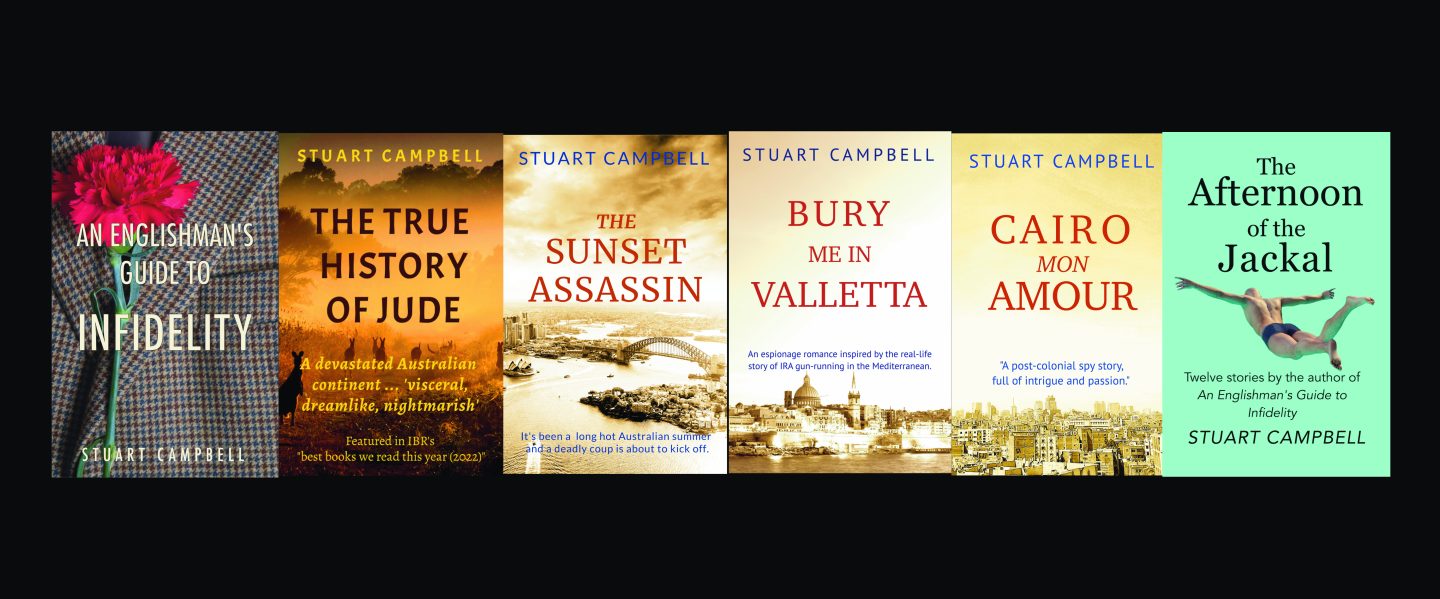
You can find out more about my novels here.

Review of ‘Anxiety’ by Dr Mark Cross

Given the ubiquity of anxiety in our society, it’s hard to think of someone who wouldn’t benefit from this book by consultant psychiatrist Dr Mark Cross. Have a close friend who’s not coping? A close relative on medication? Or perhaps you’re slipping into a bad place yourself?

This book demystifies and strives to destigmatise a condition that the author tells us affects eleven percent of Australians and eighteen percent of Americans. In the new world of COVID-19, those figures are surely higher.

It’s a difficult book to classify. Self-help manual? Popular science manual? Personal revelation? It’s all of these and more, but the fact is that it’s a damn good read, with the author laying out the facts about anxiety while inviting you into his personal struggle with the condition.

I found valuable content in all nine chapters, but several stood out. I suspect that every reader will find their own landmarks according to their needs and interests.

Here are the standouts for me:

Medications: I know next to zilch about pharmacology, and I really valued Dr Cross’s carefully set out account of the categories and purposes of medications for treating anxiety. I’m embarrassed to admit that I knew there were pills called tranquillisers and anti-depressants, and that was about it. I can remember the names of the drugs taken by anxious and depressed members of my mother’s family but I haven’t a clue what they actually did.

Types of treatments: A fascinating historical procession through the treatment models from the couches of Freud and Jung through to the wide array of contemporary talking therapies that can be used to address specific anxiety conditions. This is the kind of information I could have done with when I sought help some years ago for an anxiety condition that hit me out of the blue (and was thankfully resolved with the help of a great therapist). Any of us are likely to face in our lifetime a relative or friend who needs treatment; this chapter could cut out a lot of legwork.

I got a lot out of the chapter on the anxious employee. My blockbuster introduction to employee mental health was a couple of decades ago when, on my first morning deputising for my boss, an employee took a hostage in his office. Around the same time I had to confront a student who thought it was a good idea to hand in an essay about shooting someone. There was no gun, as it turned out, just a sad and confused kid. Dr Cross’s chapter is essential reading for anybody with WHS responsibilities, more than ever at the moment when COVID-19 is triggering workplace anxiety in an unprecedented way. Don’t try learning on the job!

I was struck overall by the quality of the writing, and Dr Cross’s courage in blending his own story with the factual content. The case study vignettes were compelling and effective in bolstering the arguments.

On our legally sanctioned morning walk today, swerving to avoid potentially virus-shedding joggers, my companion and I were anxiously discussing the central thesis of Anxiety. Beneath the factual content, the book has an underlying theme of compassion and humanity, best summed up by the quote by Robin Williams on the last page: You never know what someone is going through, so be kind, always.

Stuart Campbell is a former Pro Vice Chancellor and Professor of Linguistics, and author of several novels.

Walking back to 1978 in Manly’s back lanes

If you look hard enough, lockdown has its upsides. Here in Manly, my daily exercise walk takes me around quaint back streets I’d never normally go to. The glorious beachfront is too crowded for safety, even if the walkers are in singles or pairs as prescribed by the Public Health (COVID-19) Restrictions on Gathering and Movement) Order 2020.

The other upside of being locked down is the extra time I have for writing. After completing my socially isolated morning schedule (news, balcony exercises, daily deep cleaning project, family and work Zoom sessions, walk) I get to spend a fair chunk of the afternoon working on my next novel.

Now, here’s a nice confluence of things: This novel (working title The Impeccables) is set in Manly in 1978, and when I walk the quiet back streets my town looks pretty much as it did in the late seventies when I first lived here.

I have a habit of ‘prewriting’ a lot of my work while I’m walking, so I stroll around the empty lanes immersed in the story, and recalling fragments of life in 1978 Manly that I can weave into the setting. These are some of the things that came back to me yesterday:

  • water beds
  • rented black and white TVs
  • improvised car aerials made from coat hangers bent into the outline of Australia
  • joss sticks
  • KB beer

Yesterday I discovered this ingenious mural* on the back wall of the Salvation Army premises in Kangaroo Lane, and I returned this afternoon to take more photographs of this forgotten corner of my town. I’ve printed the picture in monochrome in sympathy with the fact there were still plenty of black and white TVs in the late seventies. It’ll feature somewhere in the new novel.

Here’s the draft opening of The Impeccables:

Pierre Farag was woken by a thump and a clatter. He took his hand out of the sheets to touch the wall of the tiny ground-floor flat. Their rented home was in a muddle of walk-up brick apartment buildings and the backs of dry cleaners and TV rental shops, four streets away from Manly Beach. The bedroom wall was still warm. It would be this way until March, when autumn released Sydney from the ravaging summer heat. 

He padded out to the front yard. The Sun Herald – the New Year’s Day 1978 edition – lay on the doormat where it had bounced off the flyscreen. The paper van slewed around to serve the other side of Rialto Close, the driver steering with his left arm and lobbing the rolled-up papers into the front yards with his right.

Just give me a year and you’ll be able to read the whole thing!

Last thing: Thanks for all the wonderful feedback I’ve had for Bury me in Valletta. It makes the labour of writing into a pleasure.

*Update: A closer look at the mural shows that is signed by Manly artist Mark Budd and dated 09.

My top tips to be a rubbish blogger

A member of my writing critique group asked recently whether it was useful for an aspirational novelist to have a blog. Having been blogging for about seven years, I think I’m qualified to say something about this.

Now, I could give you a tutorial on how to be a great blogger, but I won’t because

(a) I haven’t been very successful, and

(b) there are hundreds of ‘experts’ out there who will give (or sell) you wonderful advice.

So let me tell you what I’ve been writing, and what people liked. I’ll finish with my tips for being a rubbish blogger.

What did I write, and what did people like? 

These are my top posts between 2014 and 2019:

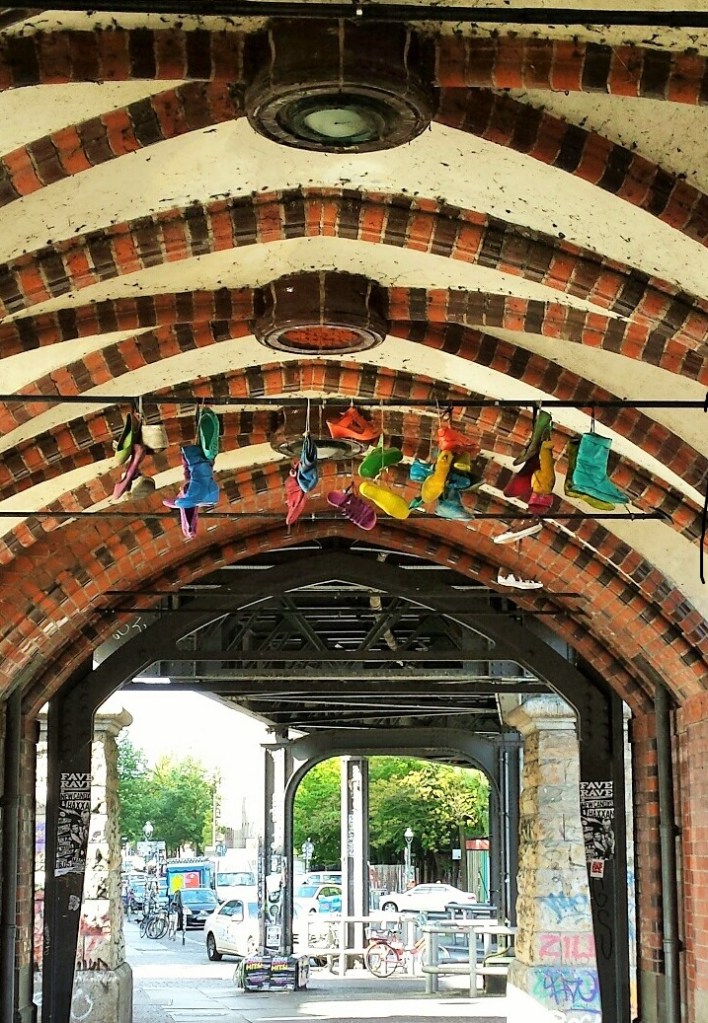
Shoes under a bridge Kreuzburg: This was a little travel piece about an art installation in Berlin. Most of the hits were from Europe, and it was obvious that tourists had walked under the bridge, wondered about the coloured shoes, and hit their phones to find out what was going on. They got me! Did it sell any novels? No! You can tell this from what the visitors clicked on. It wasn’t the links to my novels.

Being British in Australia: No laughing matter: I wrote this satirical piece as a comment on my biculturalism, and for the chance to repeat my favourite joke about Poms in Australia. Most hits were from the UK, and they didn’t buy my books.

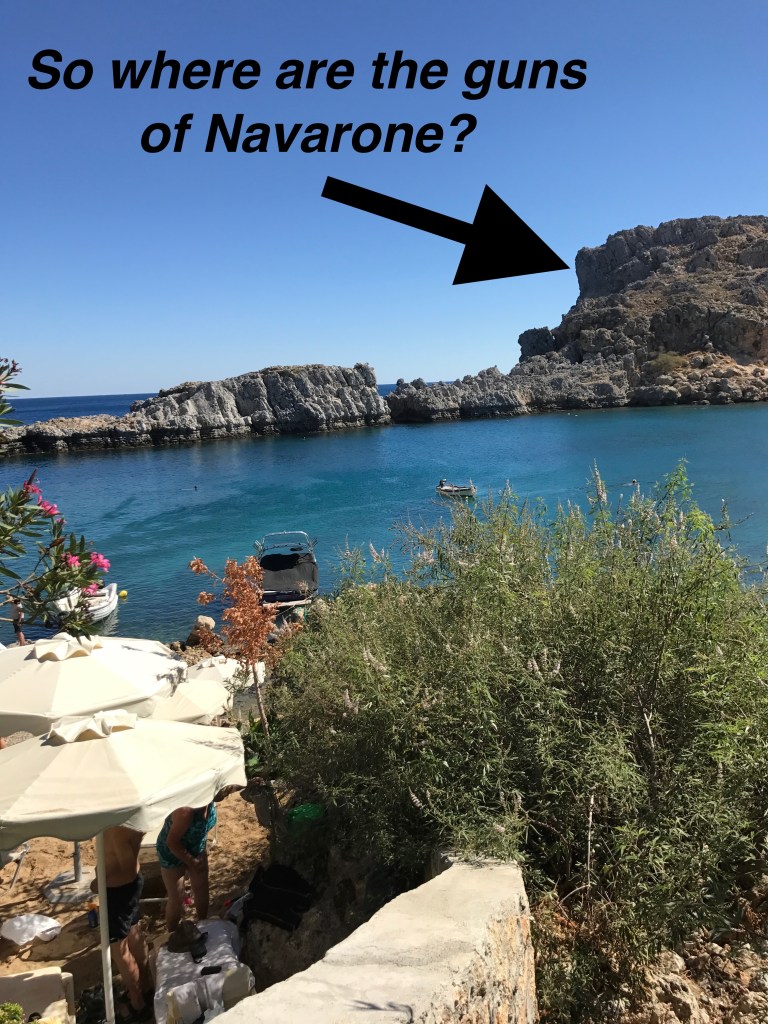
A boyhood memory shattered at Navarone Bay: When I visited my mate Paul at his house in Navarone Bay in Rhodes, I was shattered to learn that the movie The Guns of Navarone was fictional. I saw it when I was about fourteen and I have always believed it was true. My visitors were mainly from the UK and Greece. Do I have to repeat that they didn’t buy my books?

arab music

Andalus Arabic Choir – Sydney’s best-kept music secret?: I was bowled over by this performance at the Sydney Opera House, and I wrote a review that was picked up by visitors from Australia and Lebanon. No book sales.

Australia and the plight of the Armenians: This was my review of Viveck Babkenian’s fascinating book. Being married into an Armenian family, I had a personal stake in this. A lot of Australian visitors (who I suspect were of Armenian heritage) shared my fascination. Don’t ask about book sales!

How about the numbers?

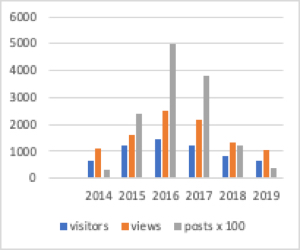
  • My big years were 2016-2017 when I was posting almost weekly.
  • The more I posted, the more visitors and views I got.
  • In my peak year I had 2500 visitors.
  • Once I had a head of steam, visitors keep coming to read my old stuff.

Top tip #1 – Be realistic about selling books via a blog

In 2016 I posted weekly promotional articles in the three months before the publication of Cairo Mon Amour, my first Pierre Farag novel. It didn’t sell books. My guess is that it takes 1000 clicks to sell an e-book, which means that my entire blogging effort might have sold five books! In fact, I only sell books when I pay for advertising – just like selling bananas, cars, or any other commodity.

Top tip #2 Use your blog to improve your writing

Use your blog to improve your writing skills. A year before I started writing Cairo Mon Amour, I wrote twelve posts about my time in Cairo during the 1973 war. It revived a lot of memories and helped shape the book. As a bonus, I bundled up the essays into a free e-book called Cairo Rations! (which turned out to be a completely hopeless promotional tool).

Top tip #3 Write weird stuff and have fun!

Write about whatever takes your fancy. You’ll be amazed at what weird stuff people like!

Fast-moving Hungarian uprising tale with a ring of authenticity

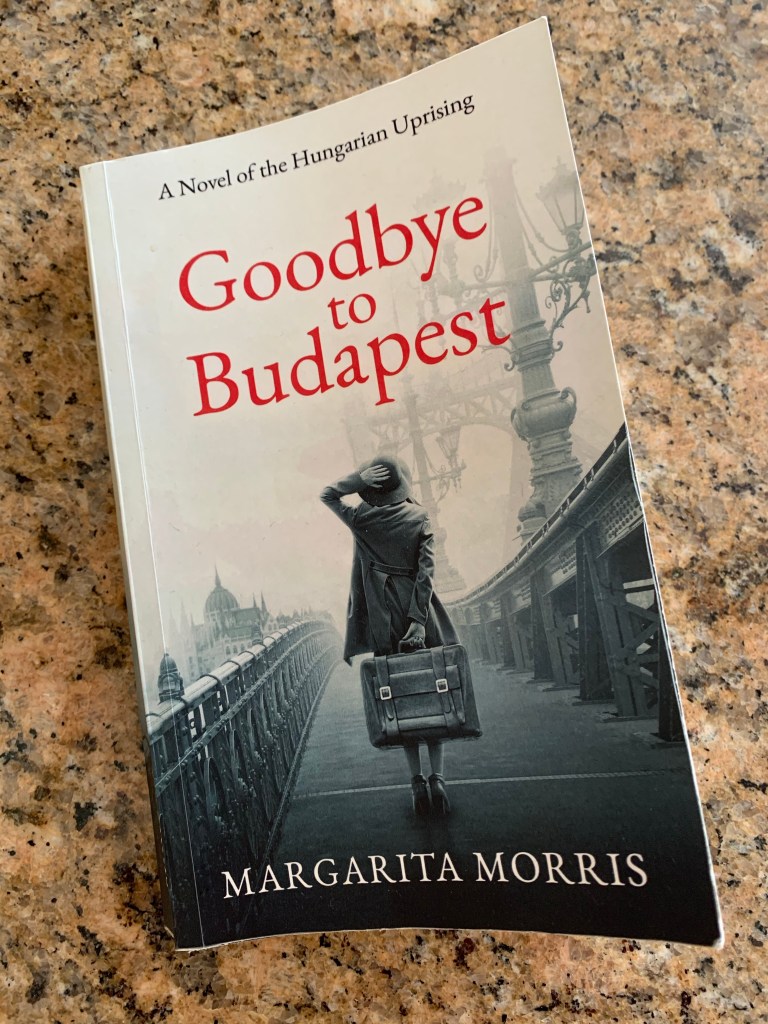
I was lent Margarita Morris’s Goodbye to Budapest by Hungarian friends here in Sydney, which seemed a convincing recommendation; I’d heard some of the stories about how they’d escaped Hungary during the communist era, and the paperback copy they lent me was inscribed with enthusiastic remarks. I’d also visited Budapest a year or two before, visiting 60 Andràssy Avenue, now the site of the House of Terror.

The secret police headquarters at 60 Andràssy Avenue is a central theme in Goodbye to Budapest. It’s where university don Màrton Bakos is imprisoned and tortured by the dreaded AVO secret police. The book is built around the fate of the Bakos family, with daughter Katalin pushing the narrative forward.

Goodbye to Budapest spans the period from October 1952 until November 1956, covering the uprising and its crushing by Soviet tanks. It’s fast-paced, and focuses on the fate of a handful of authentic characters struggling to survive awful oppression and betrayal.

I had a peep at Morris’s website, wondering whether she has Hungarian family connections. Apparently she hasn’t, which is a great credit to the research and empathy behind this book.

I should mention that the paperback is independently produced (I have form in this area), and is professionally put together with a clean design and attractive cover.

A great read!

The penny dropped – a victory for love

When same-sex marriage became legal in Australia in December 2017, I was elated that the battle was won, and that Australia had – on this count at least – grown up. As a happily married straight male, my take on the matter was that this was a victory for human rights. That’s pretty much how I’ve thought about SSM for the last two years.

Last night, I attended my first same-sex wedding. Two dear friends tied the knot in front of friends and family in a moving ceremony at an elegant Sydney venue. And as the celebrant said the words, “Marriage, according to the law in Australia, is the union of two people to the exclusion of all others …”, I properly understood what happened in December 2017: That our lawmakers voted for love.

That doesn’t happen very often in the Australian Parliament!

Experimenting with Bookbub ads

Bookbub statistics

I’ve been experimenting with Bookbub ads over the last few weeks, basically gambling small sums to advertise my novels on this huge email-based book marketing platform.

Like many online ad platforms, Bookbub is based on an auction system: Bookbub puts your ad in front of eyeballs, you make a bid for the owners of the eyeballs to click on your ad, and you hope that the clicks turn into purchases.

BookBub ad creative

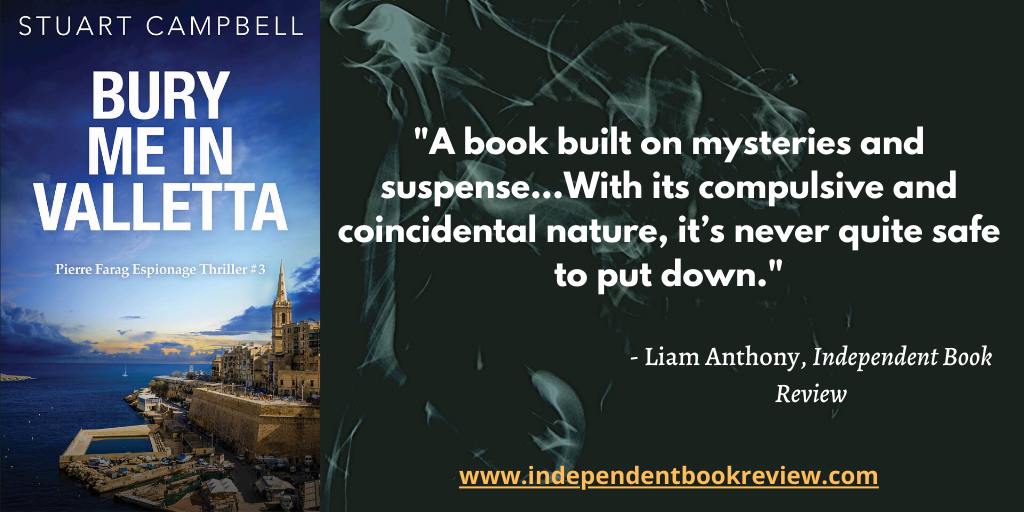
Your success depends on a lot of variables interacting to hook the right readers. For example, you can target readers who like particular authors, who live in different countries, and buy from different vendors (e.g. Apple, Amazon, Kobo). You can vary your price-per-click bid rate, and the price of your book. You can advertise on different days of the week, and you can choose to release to spend your money quickly or slowly. And of course, you have to design an ad that will seduce those eyeballs. The ad on the left has been one of my most successful.

There are lots of whizz-bang guides on how to get the most out of online ads (even entire courses!), but the take-away message is that you must test multiple versions of ads to find the optimum combination of variables.

As a former academic who has crunched a lot of slippery data (my field is linguistics), this kind of testing looks very complicated; there are so many variables. It is made more difficult for a small player like me investing an average $10 a test because the scale of results is too small to be statistically reliable. For example, why was the clickthrough rate for Apple and Kobo higher this Friday than Thursday, but lower for Amazon? (See the graph at the top of this post.) If I invested $10,000 rather than $10, I’d be much more confident in the results.

So where to? Short of running hundreds of small A/B tests or performing a factor analysis on a $10,000 test, I’m falling back on the approach I used as a linguistics academic when I operated in the grey zone between qualitative and quantitative data: (a) Start with a rough working hypothesis (b) gradually modify the hypothesis as new data comes in, (c) test the modified hypothesis. In practice this has entailed about ten tests so far.

And what have I Iearned? Well, here are some trends, but bear in mind that context is everything: I’m a ‘mature’ male Australian hybrid author writing quirky espionage fiction, and psychological and satirical thrillers, not a young female American author of time travel shape-shifter romance.

AD DESIGN: A quote from a review works better than a summary of the plot.

REGION: Australia (and to an extent Canada) are less competitive than the US and UK.

VENDOR: Apple and Kobo sell as well as Amazon in Australia.

WEEKDAY: Weekend ads may do less well than weekday ads.

AUTHOR: Readers of Daniel Silva like my books.

Remember these are trends based on small stats, not firm conclusions.

The outlook? I’m getting close to a return on my investment on my ads. I’m planning to run my best ad with a bigger investment, but to test some variations with a simultaneous low-cost ad.

I’d be fascinated to hear from other authors who are treading the same path.

Tense day working on my latest novel (weak joke alert)

Hard at work today revising my dystopian novel Patria Nullius. It’s a book within a book: The outside shell is in past tense and the kernel is in present tense. Yesterday I made the big decision to rewrite the kernel in past tense.

I’ve got Ladytron on the cans to help me along, so it’s all good so far.

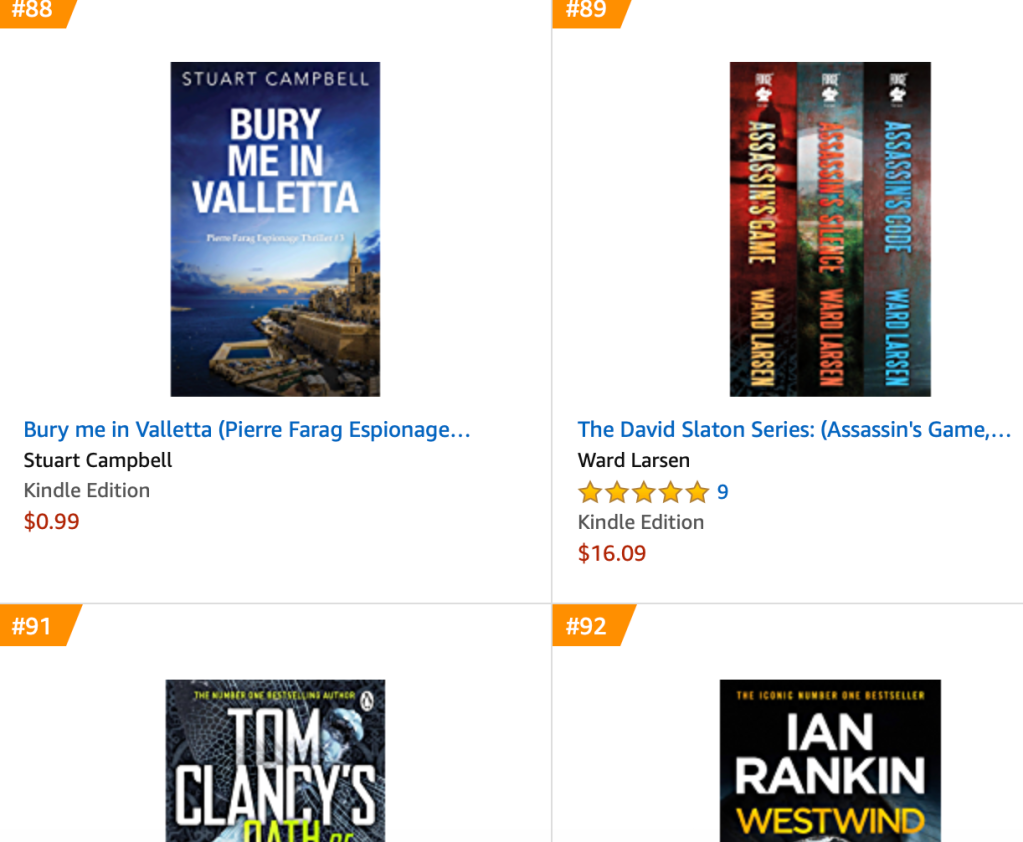
Meanwhile, I’m grinding through the task of promoting my new book Bury me in Valletta. I’m given away some botched copies of the paperback (my botch-up, now fixed), and I’ve had great feedback. The ebook is discounted to 99c on Amazon and $1.99 on Apple. Do yourself a favour and download a copy. Even better, post a review if you like it!

The vendor links are here.

Thanks,

Stu